
The importance of etiology in drug-resistant epilepsy management
Comment from Dr. Luca De Palma,
Epileptologist at the Bambino Gesù Children Hospital,
Rome (Italy).
“In drug-resistant epilepsy, understanding the etiology is a crucial part of patient management. Before considering an invasive procedure, we need to understand as precisely as possible what is causing the epilepsy, because this can directly influence the therapeutic strategy. Etiology should therefore be considered alongside seizure semiology, EEG findings and neuroimaging when building the clinical and anatomical hypothesis that will guide further investigations. This is particularly important before invasive EEG, where we need a clear rationale for what we are trying to demonstrate and how the results could change treatment.
In children, etiological investigation is even more critical. Pediatric epilepsies are highly heterogeneous, and identifying an underlying structural, genetic, metabolic, immune or infectious cause may substantially change the diagnostic and therapeutic pathway. Moreover, decisions about invasive procedures have to take into account the specific characteristics of the developing brain.
The evolution of the ILAE recommendations reinforces this move toward a more biologically and clinically meaningful characterization of epilepsy (ILAE epilepsy classification 2026, to be published). The 2025 seizure classification emphasizes the value of semiology and the study of etiology for seizure classification, particularly for presurgical evaluation in drug-resistant cases. This structured framework reinforces the importance of going beyond simply describing the seizure and integrating the underlying disease, network organization and anatomical findings into clinical decision-making."
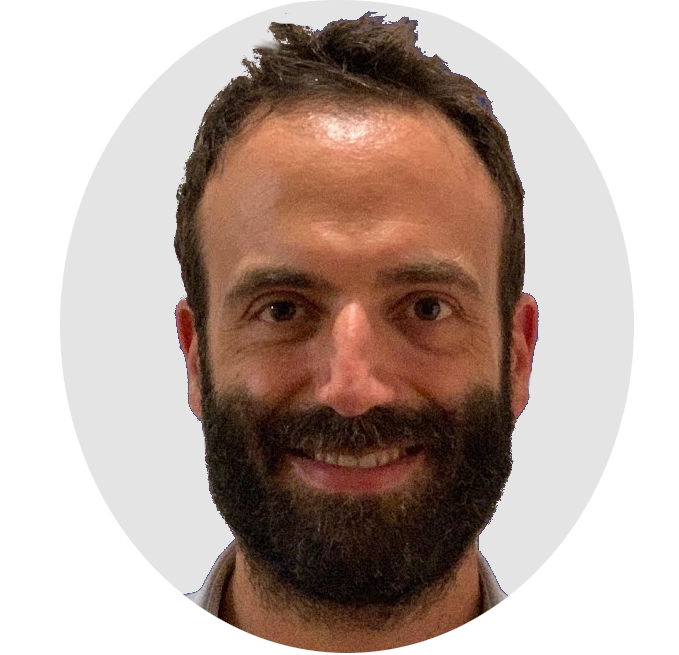
Dr Luca De Palma is an pediatric neurologist and epilepsy surgery specialist, practicing at the Bamabino Gesù Children Hospital in Rome (italy). His groupe is a Full Member of European Reference Network on Rare and Complex Epilepsies EpiCARE.
He has a strong experience in rare and complex epilepsy management in children, and in intracranial EEG procedure.