
Scientific corner
Discover the research behind Halyzia® and its clinical validation


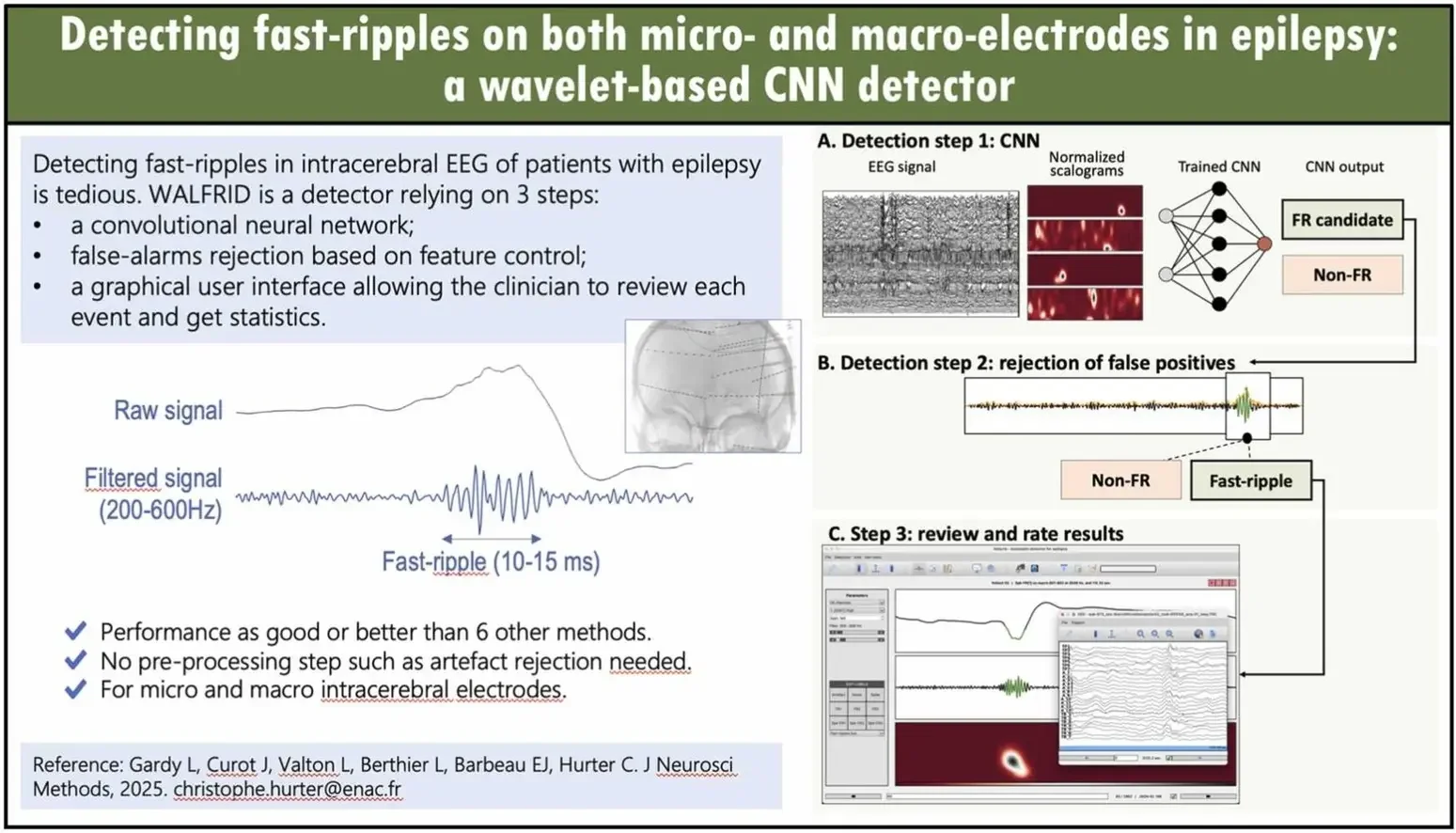
Detecting fast-ripples on both micro- and macro-electrodes in epilepsy: a wavelet-based CNN detector
Gardy L, Curot J, Valton L, Berthier L, Barbeau EJ, & Hurter C.
Journal of Neuroscience Methods, 2025 Mar:415:110350.
DOI: 10.1016/j.jneumeth.2024.110350.
Signal analysis: epileptic biomarkers
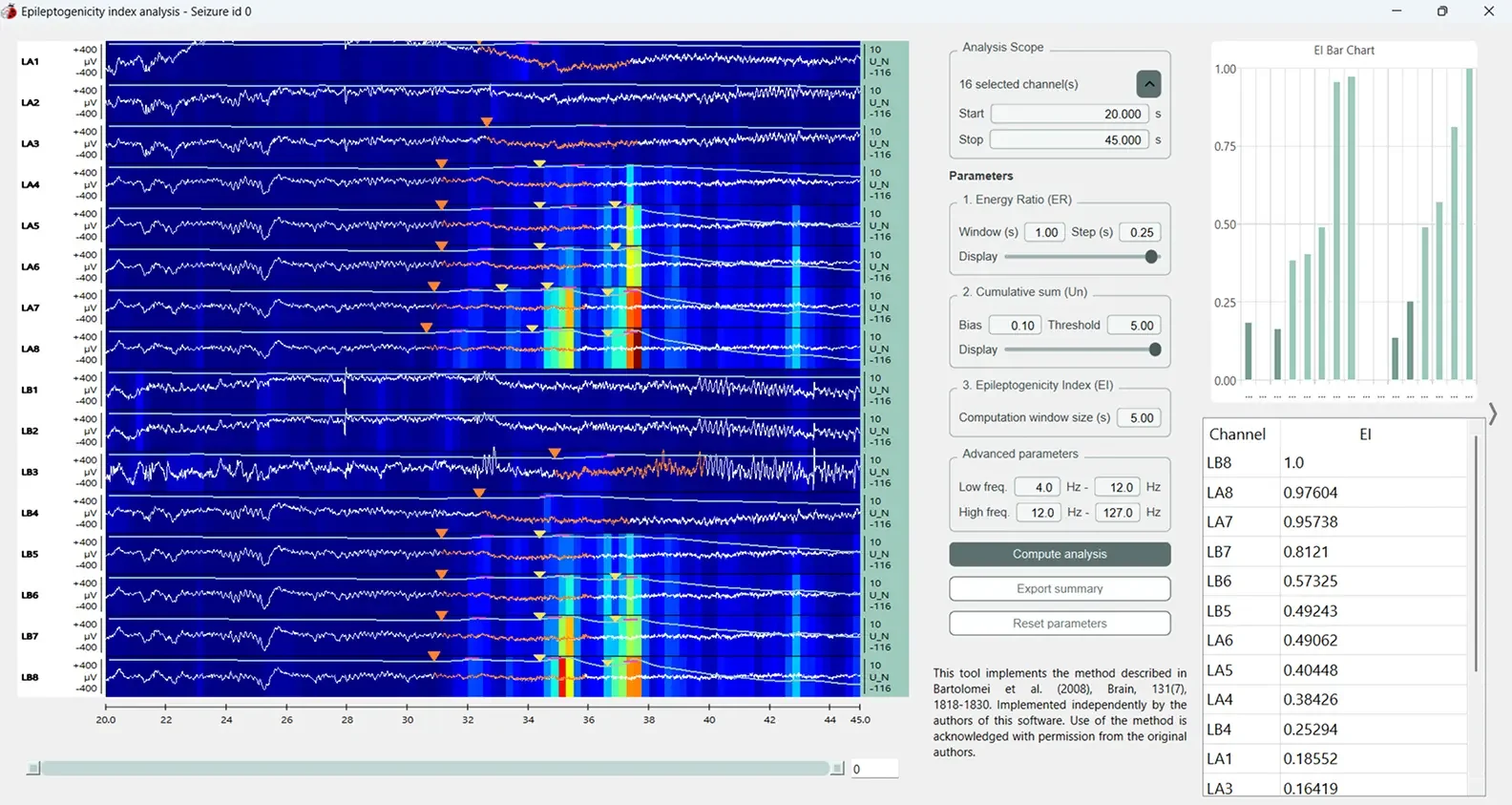
Seizure onset analyses using the Epileptogenicity Index - Comment from Prof Curot, epileptologist.
June 25 2026
“Quantitative methods to improve localization of the epileptogenic zone represent a strong asset to assist clinicians and researchers in their decision-making. One of these methods is the computation of the Epileptogenicity Index..”
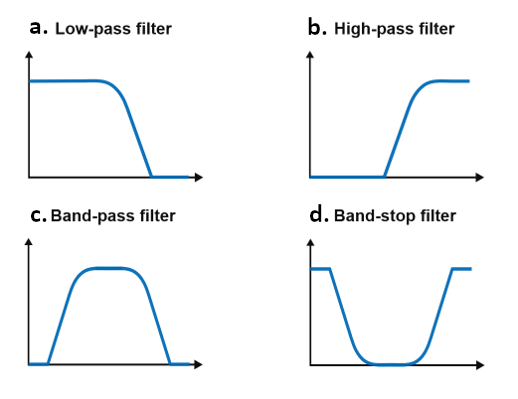
Filtering your SEEG signal
June 8 2026
Noise in stereroelectroencephalography (SEEG) signal can arise from several sources, including non-physiological noise. Part of this noise is attenuated during the recording, but some of it remains in the recorded signals, which is why filtering might be necessary for your SEEG signals…
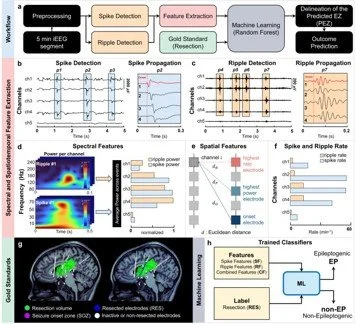
HFO detection in SEEG: Recent insights from the research community
June 20 2026
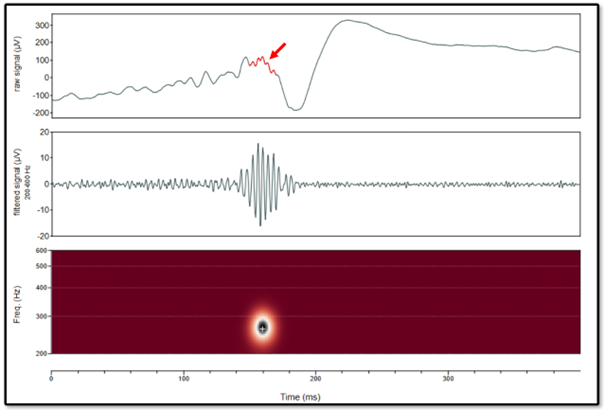
High-frequency oscillations (HFOs) have been increasingly investigated for their role in seizure onset localization and clinical outcome prediction. We shed light on recent research studies that provide major insights on automated HFO detection...
Introduction
to HFOs
May 26 2025
HFOs are brief, high-frequency oscillations observed in EEG recordings. They are typically classified into two main categories: ripples (80–200 Hz) and fast ripples (200–600 Hz)...
Combined interictal biomarkers
Oct. 16 2025
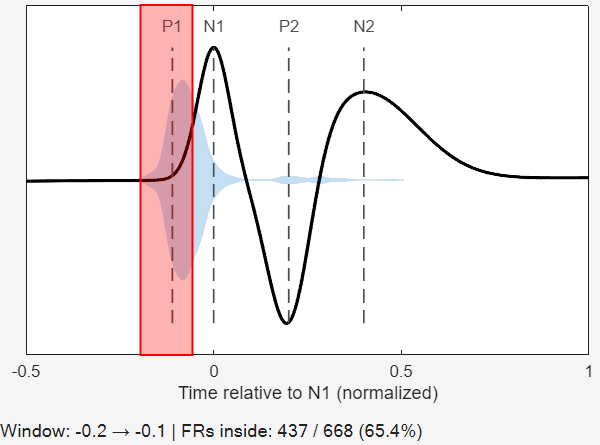
Detecting combined interictal biomarkers in human iEEG recordings - A new tool for clinicians within Halyzia ®.
Why validating iEEG biomarker detectors is so difficult
January 7 2026
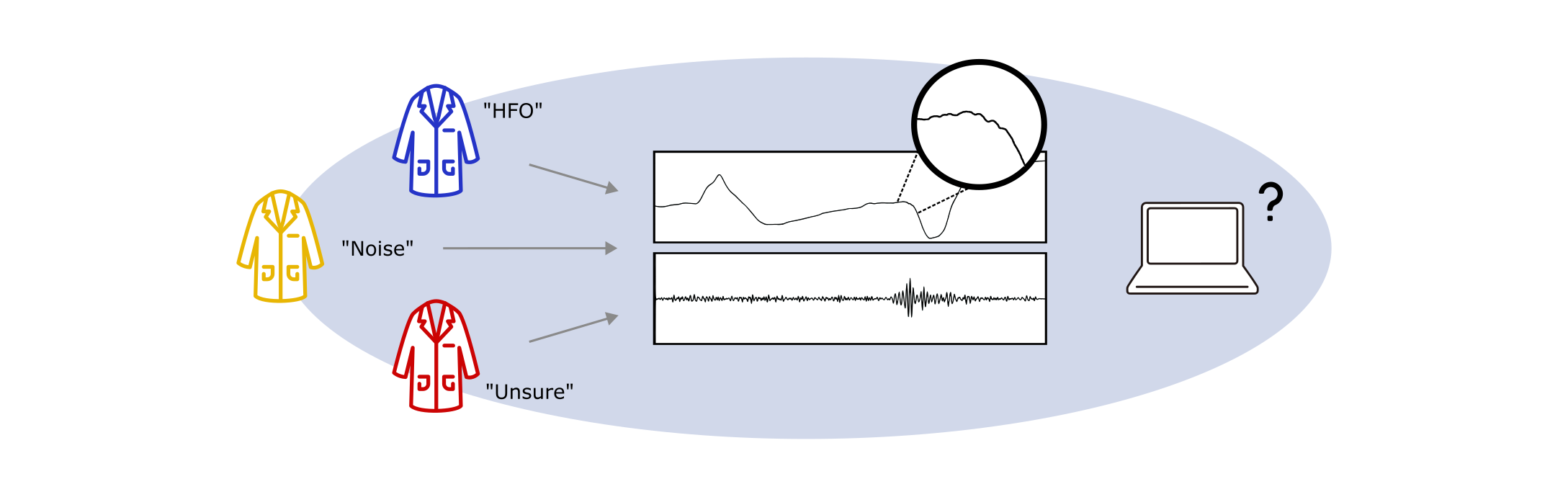
Interictal biomarkers of epilepsy such as spikes and high-frequency oscillations (HFOs) are increasingly being studied as clinical tools to guide epilepsy surgery…
Other resources
Why the name Halyzia®?
Sept. 15 2025
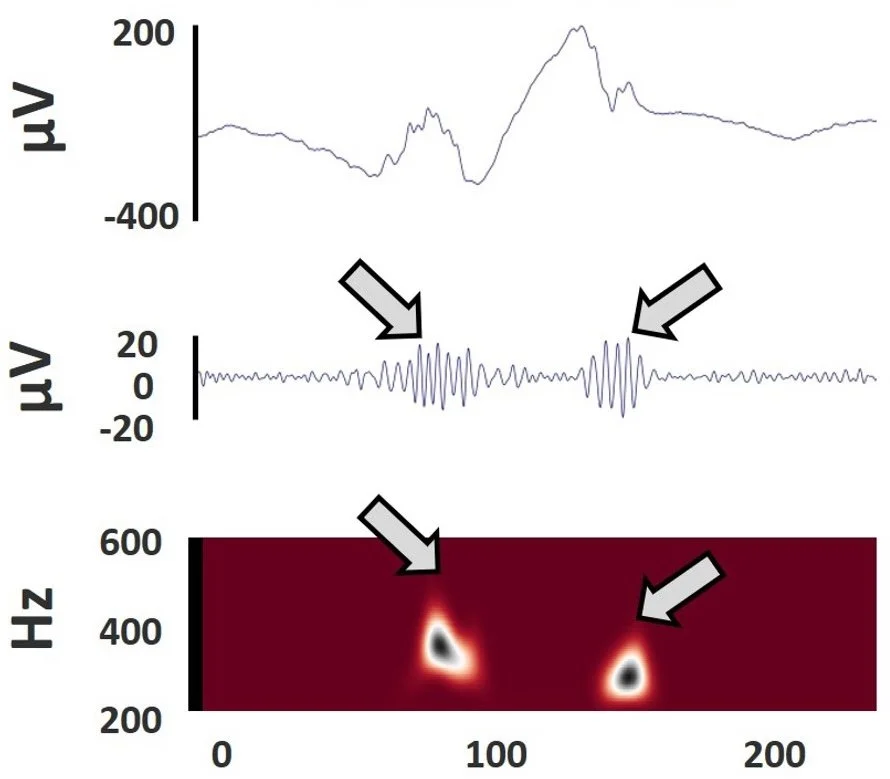
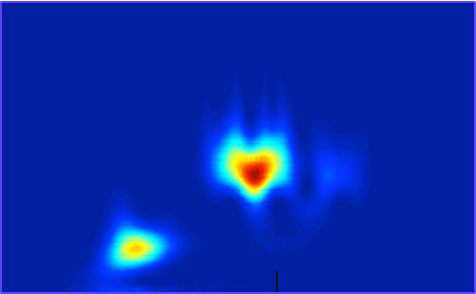
Legend has it that the mysterious blobs marking the fast-ripples on the normalized scalograms (Figure 1) bore an uncanny resemblance to the delicate colors of a ladybird
Funny scalograms
Sept. 15 2025
Sometimes, scalograms show weird and funny shapes.
Popular Science Talks
Public lectures in french
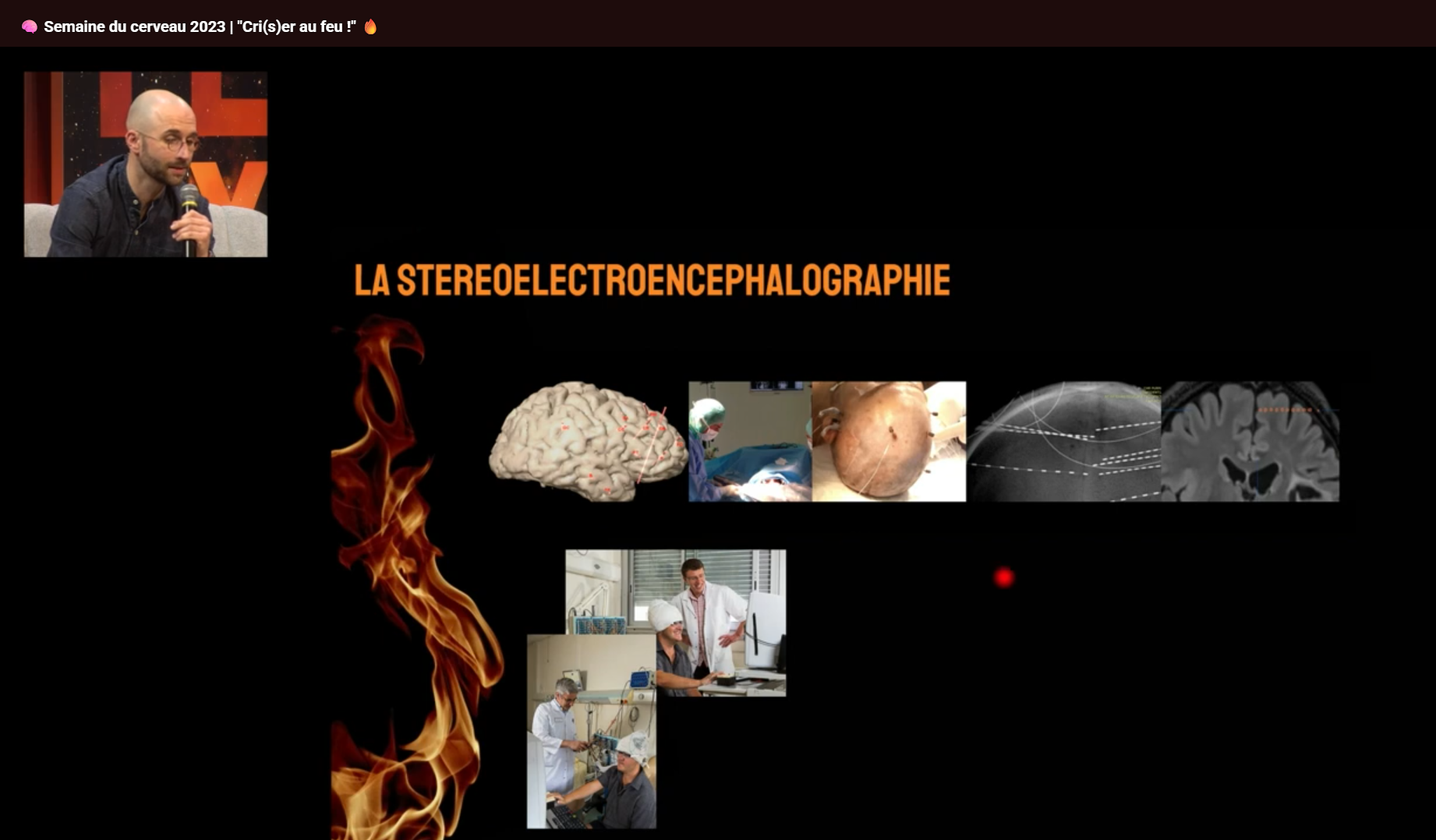
Our partners from the Toulouse iEEG group participated to several public talks on epilepsy.
Are you ready to unlock the full potential of intracranial EEG data ?
Subscribe to our Newsletter
Stay up to date with the latest industry news and updates from our company, subscribe to our newsletter !
By subscribing, you agree to our Privacy Policy.